Four ways to build capability
At twenty, you never thought about how your body worked. You jumped the stream without checking how wide it was. You ran up the hill because it was there. You swam out to the rock and back. You could just do it.
Getting that back is what training is for. Not fitness as a number, but a body that can do things. To see what that takes, watch a body at work, and watch where it gives out.
01
A run, a ride and a swim.
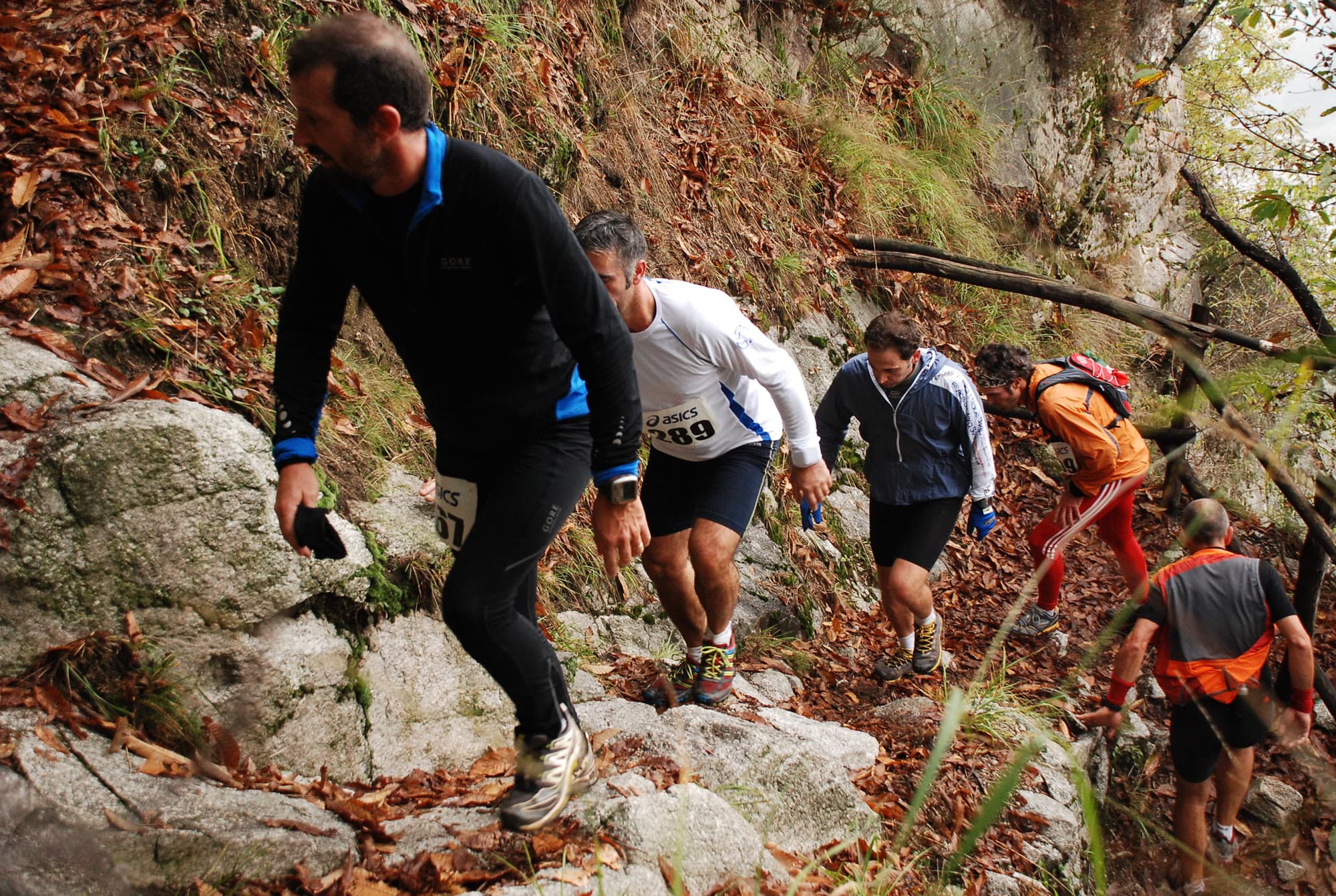
You are running up a rough trail. The steep steps that once took one quick push now take a shuffle. Each landing pushes down on your back, and your back rounds under it. Loose stones roll under your feet, and you wobble. Your back leg no longer swings out behind you, so your stride gets short. Your upper back is too stiff to let your chest open, so your breath gets tight. Your heart and lungs had more to give. Your legs, back and hips gave out first.
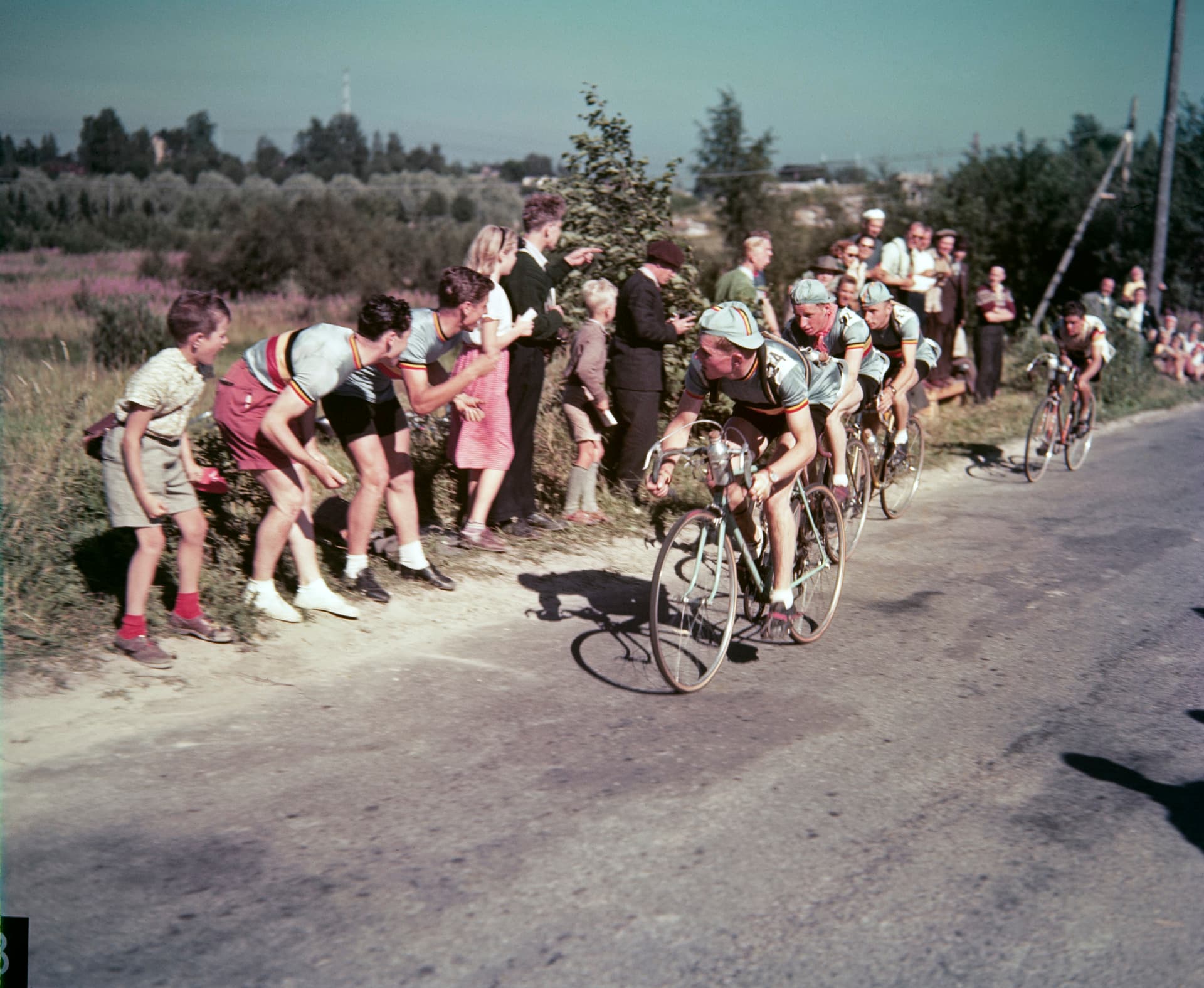
You are three hours into a ride, into a headwind. The wind pushes on your chest for hours, and your back sags under it. The road is rough, and the bike bucks under you. You spend effort just staying upright on it, effort that should be going into the pedals. To get low, you have to fold forward at the hips, and your hips will not fold that far. So you sit up into the wind. Then the rider ahead speeds up, and you cannot go with them.
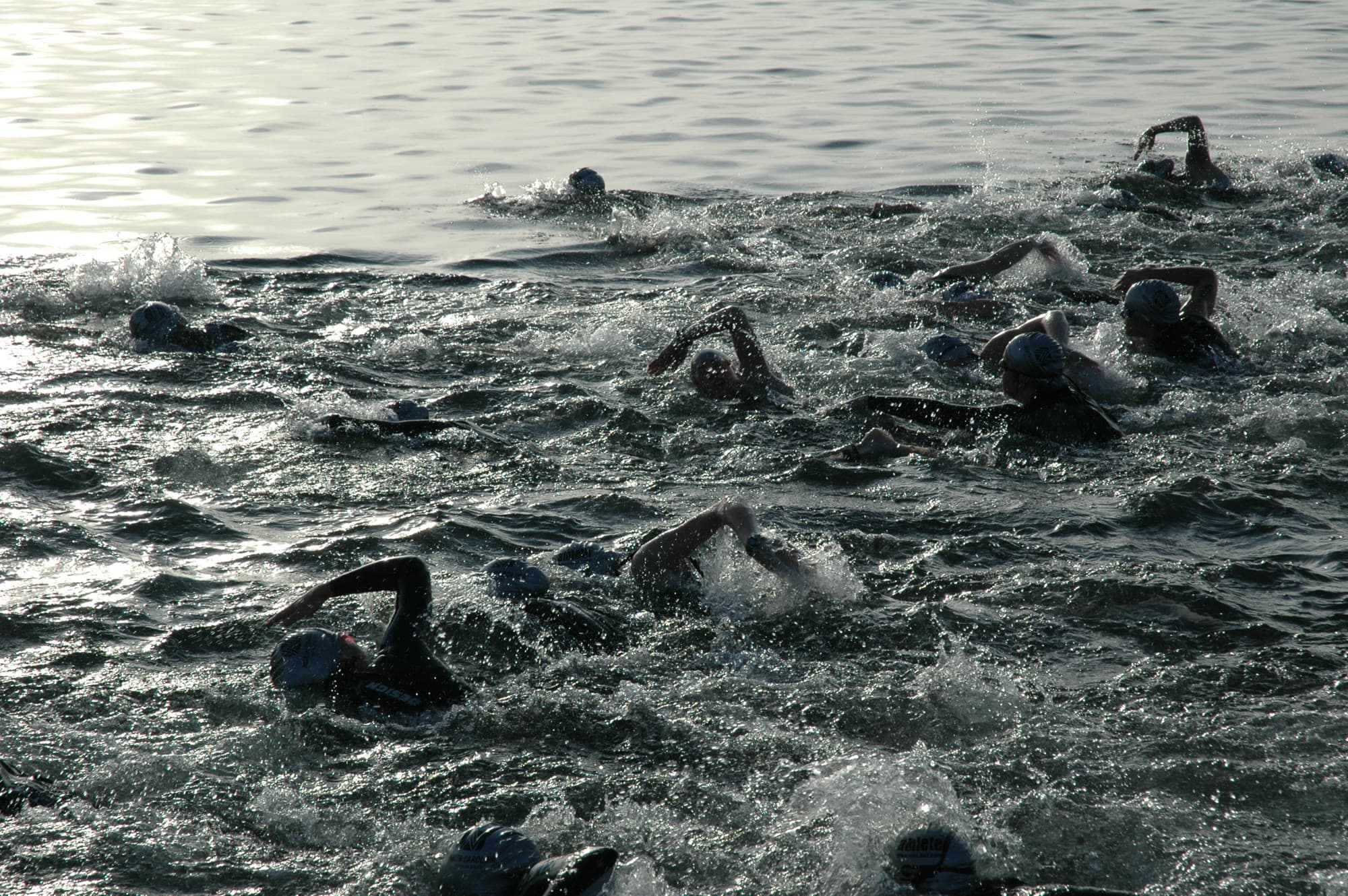
You are swimming in open water. Your shoulders will not reach far forward, so each stroke is short. Each pull moves you only a little way. The water rises and falls under you, and your legs sink until you are dragging them. A wave hits you from the side, your body bends at the waist, and you lose your line. In the water, you are a fish out of water.
02
Four things went missing.
Sort what went wrong in those three scenes, and it falls into four groups. We call them Power, Structure, Balance and Range. They are equals. Each does a job the other three cannot.
Power is making force quickly. It was missing when the rider ahead sped up and you could not go with them. Without power, you do not move fast. You can keep going, but you cannot speed up.
Structure is holding your shape when something pushes on you. It was missing when your back sagged in the wind. With structure, your back stays straight and you keep going. Without structure, you collapse when something unexpected happens, and the force that should drive you forward bends you instead.
Balance is staying in a good position while what is under you moves: the trail, the bike, the water. It was missing when your legs sank as the water rose and fell under you. Without balance, you end up in bad positions, and your effort goes into holding yourself up instead of moving you forward.
Range is joints that move freely. When you run, your back leg swings out behind you because the front of your hip opens and lets it. Range was missing when your hips would not fold far enough to let you stay low on the bike. Without range, you cannot reach the positions where you are strong.
03
Every sport needs all four.
Every scene lost a little of all four, in the same movement. That is because they are not separate skills. They are four parts of one ability. A fast push from your legs is wasted if your back bends under it. A strong back is no use in a position your hips cannot reach. And a hip that moves freely is no help if you wobble every time the ground shifts. Every movement uses all of your joints together.
So we train all four, and none comes first. A kettlebell is a cast-iron ball with a handle. Kettlebells build power and structure. Fast lifts like the swing build power. Slow squats and long carries with a heavy bell build structure.
Yoga builds balance and range. For balance, what is under you keeps changing. On hands and knees, you lift one arm and the opposite leg and stay steady. You roll from a side plank on one hand, through a plank, to a side plank on the other. In down dog, you lift one foot, set it down, then lift the other. For range, one shape opens a joint, and a different shape later in the session makes the muscles work at that new length. A low lunge opens the front of your hip. A bridge later holds the front of the hip long while your glutes work.
A normal week has two kettlebell sessions and two yoga sessions, one for each of the four, and none takes more than about half an hour. Your runs, rides and swims carry on alongside them from the first week. The four grow together, not in turns, just as mobility, strength and endurance do.
What this means for you
On your next run, ride, swim or hike, notice which of the four goes first.
- Power: when the path turns up or someone speeds up, can you go with it?
- Structure: does your back round as each step lands, or as the wind pushes?
- Balance: do you wobble or tense up when the ground or the water moves?
- Range: is your stride short and your breath tight even when you are fresh, not just when you are tired?
Whichever goes first, that is the one to watch. The week trains all four anyway. That is how you start to get back what you could do at twenty.