Why one hour of training is not enough
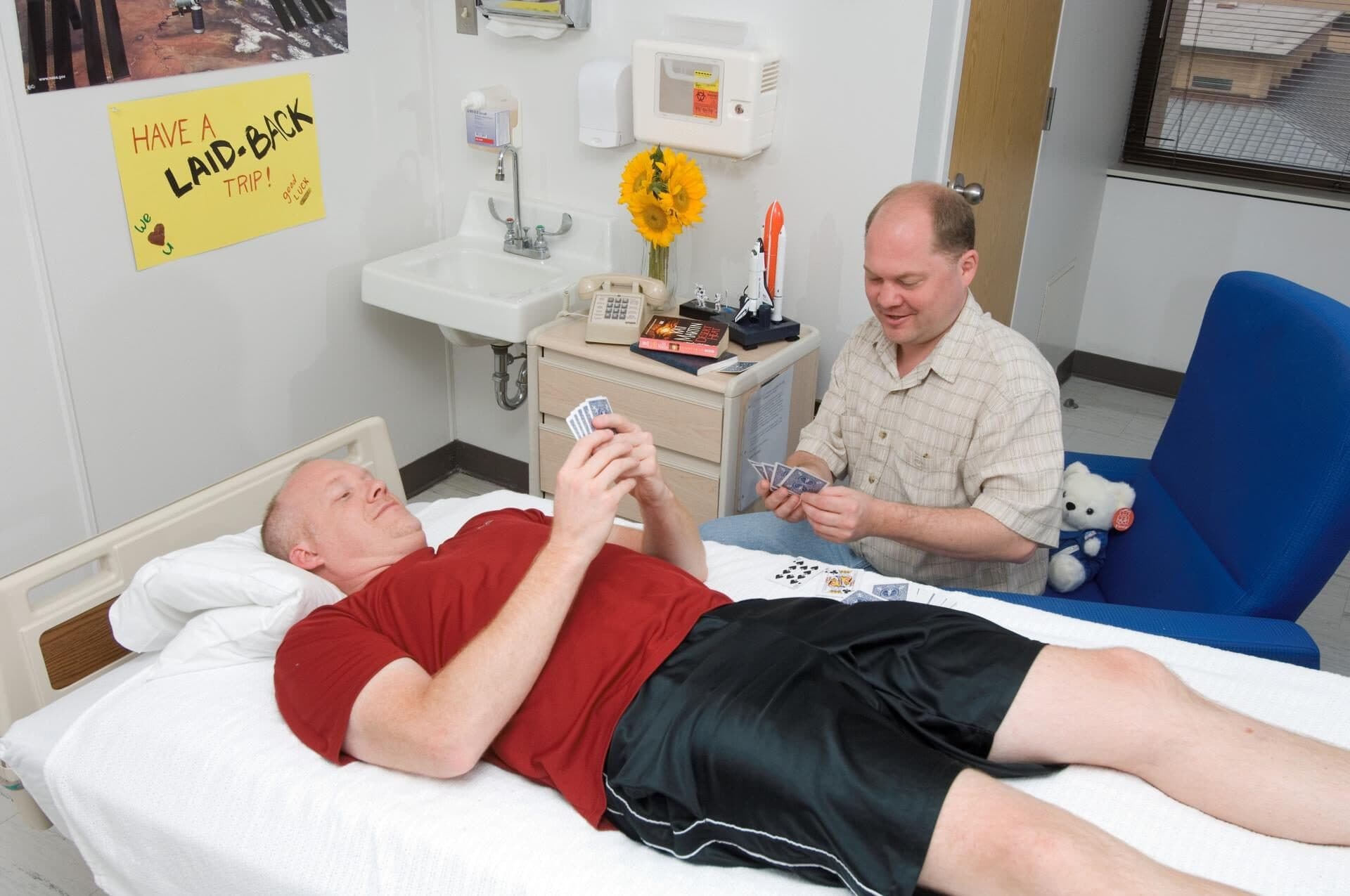
In a famous study in Dallas, five healthy 20-year-old men agreed to spend three weeks in bed. They were not ill or injured. They were fit young volunteers, and their job was to lie still. When they got up, their aerobic capacity, the most oxygen their bodies could use, had fallen by 26 percent.
Thirty years later, researchers found the same five men and tested them again. They were 50 now, and heavier. Yet three decades of getting older had cost them only 11 percent of that capacity. Three weeks in bed at 20 had done more harm than 30 years of ageing.
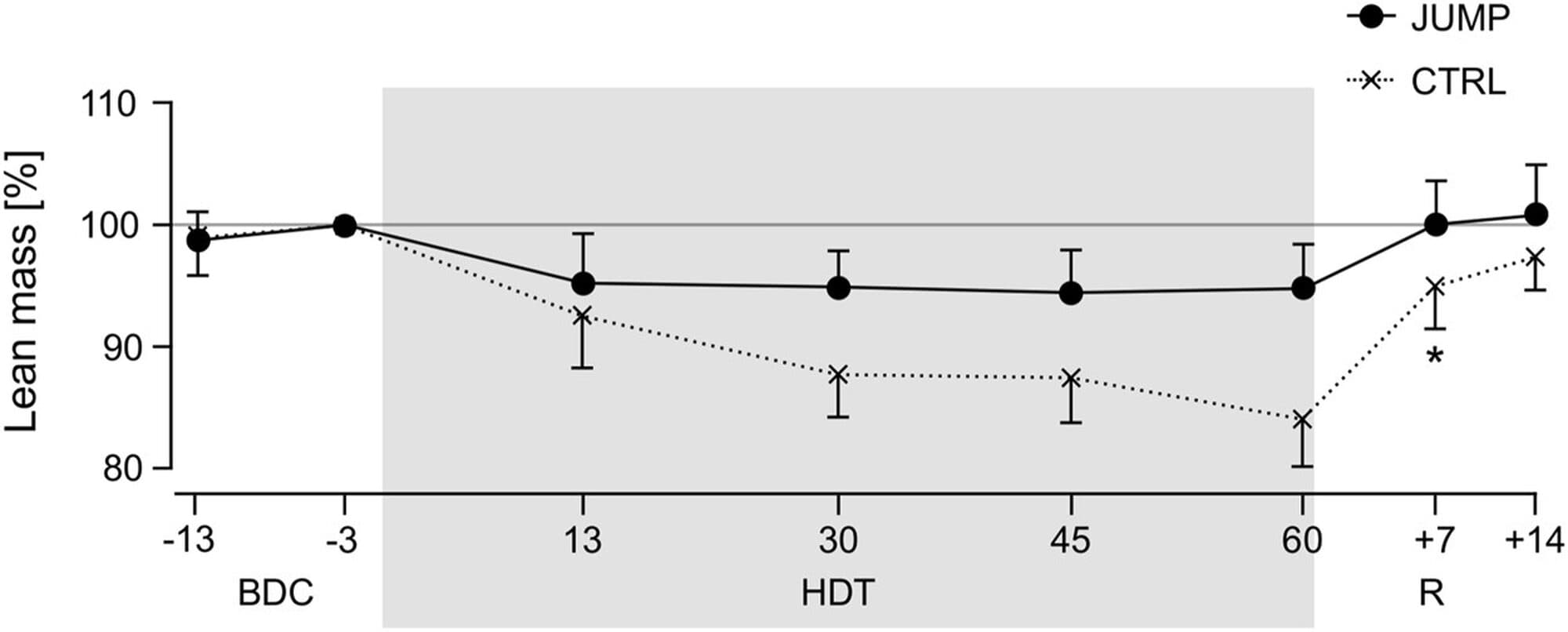
Then, at 50, the men trained for six months. By the end, they had won back everything the 30 years had taken.
01
Use it or lose it.
You keep what you use, and lose what you do not. That happens quickly, and in both directions. The men in Dallas lost fitness in three weeks, and at 50 they won it back, because they started training.
There is a second half to the rule, and it matters more to anyone who trains. You get better at exactly what you do, and nothing else. Run, and you get good at running. Ride, and you get good at riding. You do not get better at carrying, squatting, lifting or getting up off the floor unless you do those too.
02
An hour of training, a day in a chair.
For almost all of human history, daily life was full of movement. People walked, carried, dug, climbed, squatted and knelt, because the work demanded it. Then the car, the lift, the desk and the delivery van took that work away, one job at a time. Movement became optional.
You chose to train, which is more than most people do. But look at the rest of your day. In one study, 218 people training for a marathon or half marathon trained for about six and a half hours a week. On workdays they also sat for nearly 11 hours. Researchers have a name for this: the active couch potato. An hour of hard training, then a commute, a desk and a sofa.
In one study, runners training for a marathon or half marathon sat for nearly 11 hours on workdays.
03
One movement is not enough.
If you only run or ride, you do one movement many thousands of times, and very little else. You stop squatting, twisting and reaching, and what you stop doing, you lose.
You may already feel it. Around four in ten runners get injured in a year, depending on the study. Plenty of riders climb off after a long ride with an aching back, tight hips and a stiff neck. Endurance built the engine. Nothing else in their week trained their hips, back or neck.
The research points the same way. In a review of 25 trials in many sports, the strength programmes cut injuries to less than a third. Stretching on its own did not prevent them. You need load, range and variety, and running or riding alone gives you only one.
04
Every easy choice has a price.
The easy way is offered at every turn, and each time it looks free. It is not.
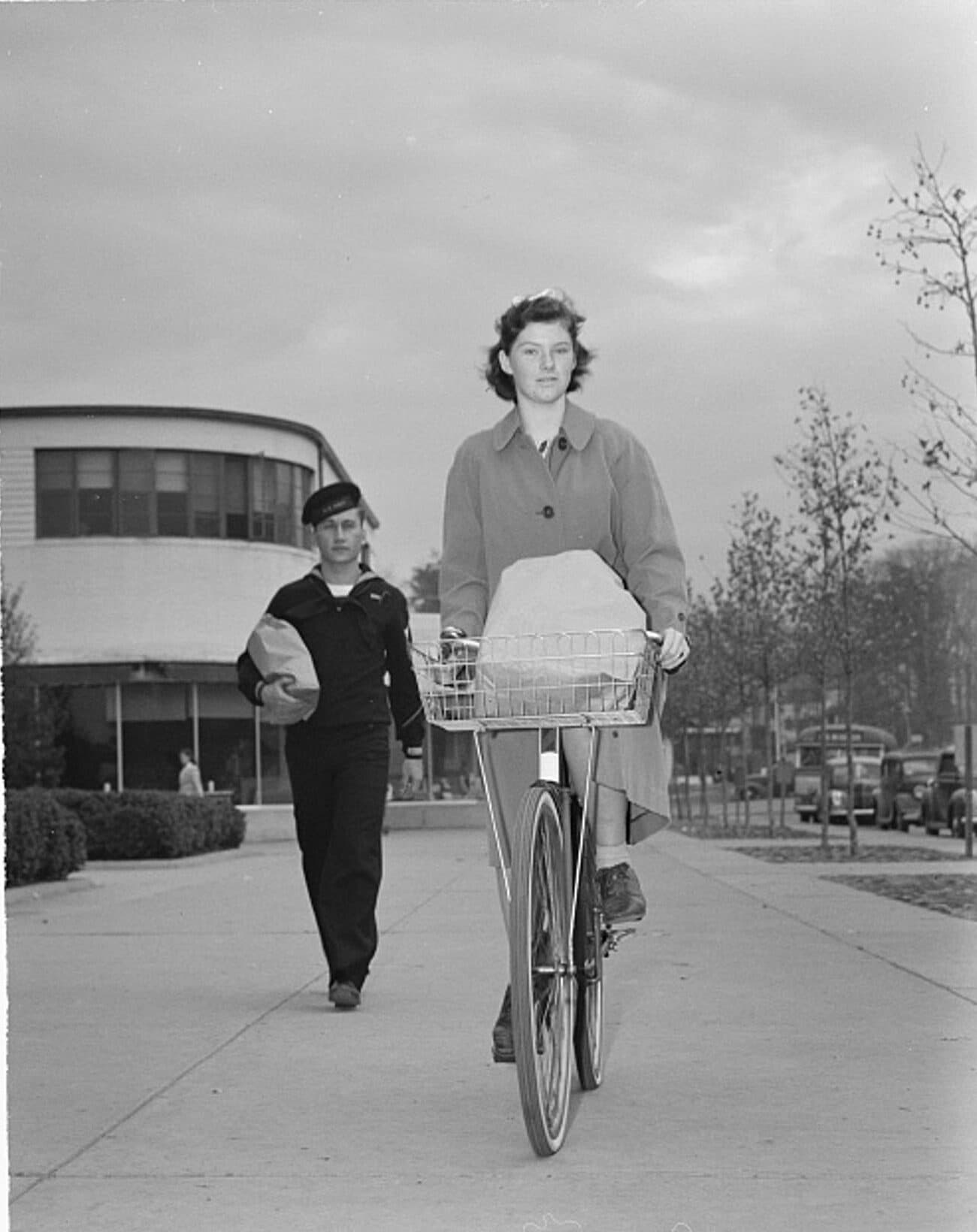
Take the supermarket. Push a trolley, and you do almost no work. Carry a basket, and your grip, your shoulders and the muscles around your middle work to hold you upright against the load. It is only a few minutes, but you shop every week for the rest of your life. Drive everywhere, and that time is spent sitting still with your hips bent. Walk or ride the same distance, and you arrive having trained.
Even rest is a choice. Sit on the floor to read a book or scroll your phone, and you fold your legs, shift your weight when you get stiff, and get yourself back up at the end. On the sofa you do none of that. Researchers have found that adults who can sit down on the floor and stand up again without using their hands tend to live longer than those who struggle to.
No single choice matters much. Over years, they add up: you either keep what you can do, or slowly lose it.
05
Put it back into your day.
None of this means giving up the car or the sofa. They are good inventions, and you are right to enjoy them. But you can put much of the missing movement back without finding a single extra hour, by folding it into things you already do.
Brush your teeth in a deep squat: feet flat, heels down, as low as you can go. For much of the world this is how people rest, and many adults raised in chairs can no longer get there. Brushing takes two minutes in the morning and two in the evening, so that is four minutes a day in the squat, for free. Hold on to the sink at first if you need to. The range comes back when you use it.
Carry your shopping home in bags, one in each hand. Take the stairs, two at a time on a good day. Walk while you are on the phone. Get down on the floor to play with a child or a dog, and get back up without using your hands.
Each one is small. Together they fill your day with more than one kind of movement again, the way life used to.
Most people train for an hour, then sit for the rest of the day. What you do in those other hours shapes you as much as the training. Being able to squat, carry, climb and get up off the floor is the highest luxury there is.
Sources (7)
- Saltin et al. 1968. Circulation 38 (Suppl 7):1-78. The Dallas bed rest and training study.
- McGuire et al. 2001. Circulation 104:1350-1357. The Dallas study, 30 years on.
- McGavock et al. 2009. Journals of Gerontology A 64:293-299. The Dallas study, 40 years on.
- Whitfield et al. 2014. Journal of Physical Activity and Health 11:165-172. Sitting time in marathon and half-marathon runners.
- Kakouris, Yener and Fong 2021. Journal of Sport and Health Science 10:513-522. How often runners get injured.
- Lauersen, Bertelsen and Andersen 2014. British Journal of Sports Medicine 48:871-877. Exercise programmes that prevent sports injuries.
- Brito et al. 2014. European Journal of Preventive Cardiology 21:892-898. Sitting down on the floor and standing up, and survival.